
Weatherstripping & Seals
Seeing daylight at the edges, feeling drafts, or finding water and debris inside the garage? Properly sized seals help tighten the door-to-frame fit and improve comfort.
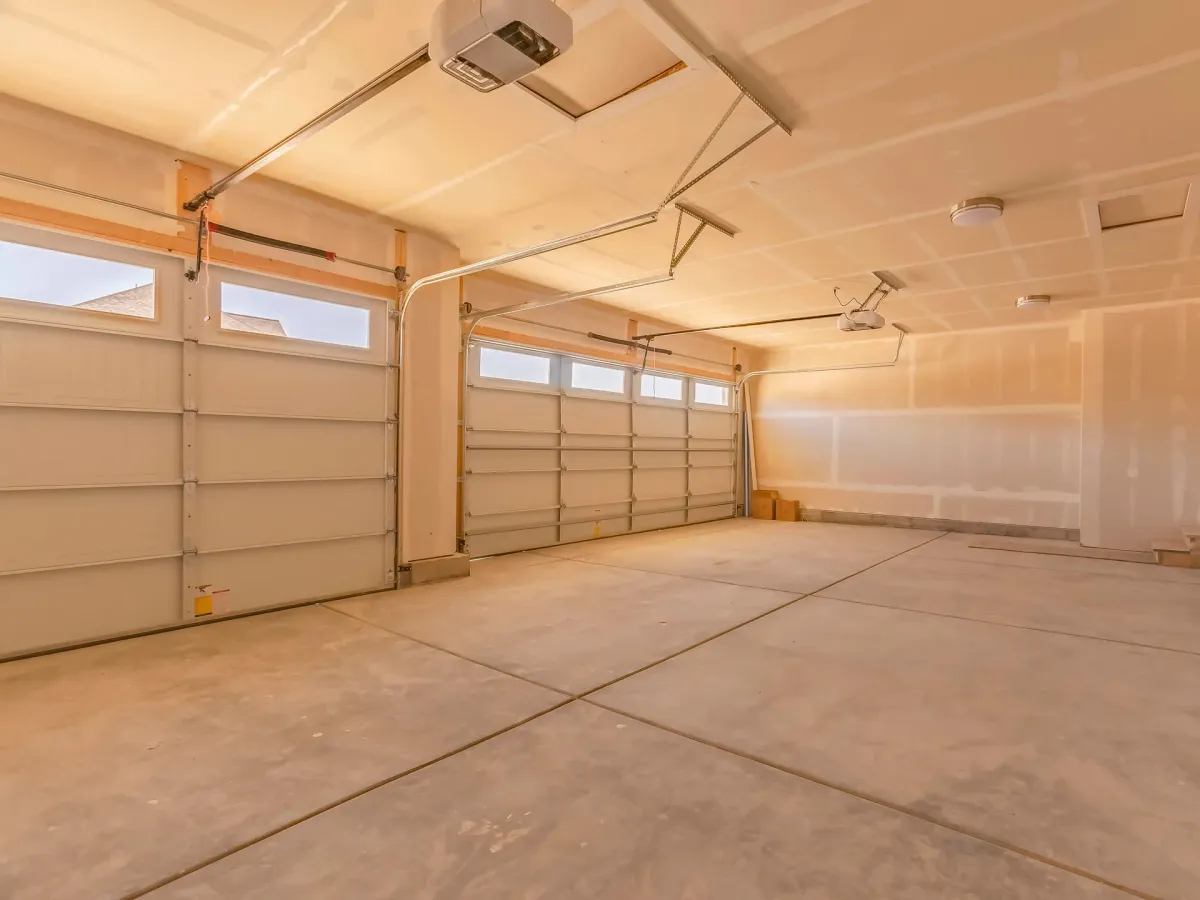
We replace worn bottom seals, perimeter weatherstripping, and damaged retainer tracks so the door closes cleanly and maintains consistent contact.
- Bottom seal replacement
- Perimeter weatherstripping (side/top seals)
- Threshold seal install (floor seal)
- Insulation kits (retrofit) or insulated door upgrade
- Draft/water intrusion fixes
- Pest/rodent gap sealing solutions (where applicable)
- Bottom rubber seals (T-style, bulb, and U-shape)
- Perimeter weatherstripping on the sides and top
- Retainer track replacement if the channel is bent or corroded
- Brush seals for wider gaps on some commercial doors
Common seal problems we fix
Seals wear out gradually, so homeowners often notice the symptoms first. If you see any of the following, it’s worth measuring and replacing the worn pieces.
- Daylight around the sides, top, or bottom of the door
- Water intrusion during heavy rain or wind-driven storms
- Leaves, dust, or pests getting in around the door
- Cracked, brittle, or missing rubber at the bottom seal
- Whistling or noticeable drafts near the garage entry door
For water at the slab line, see Threshold & floor seals.
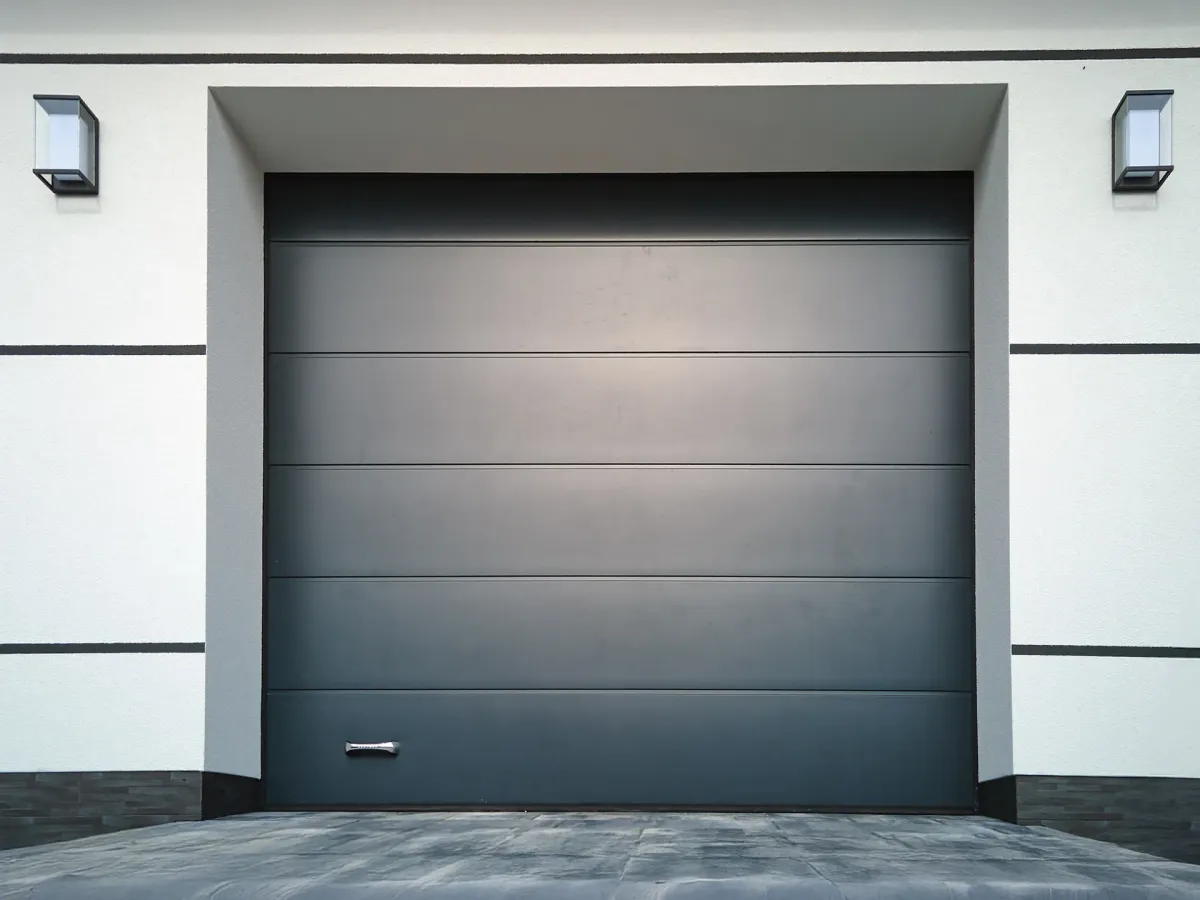
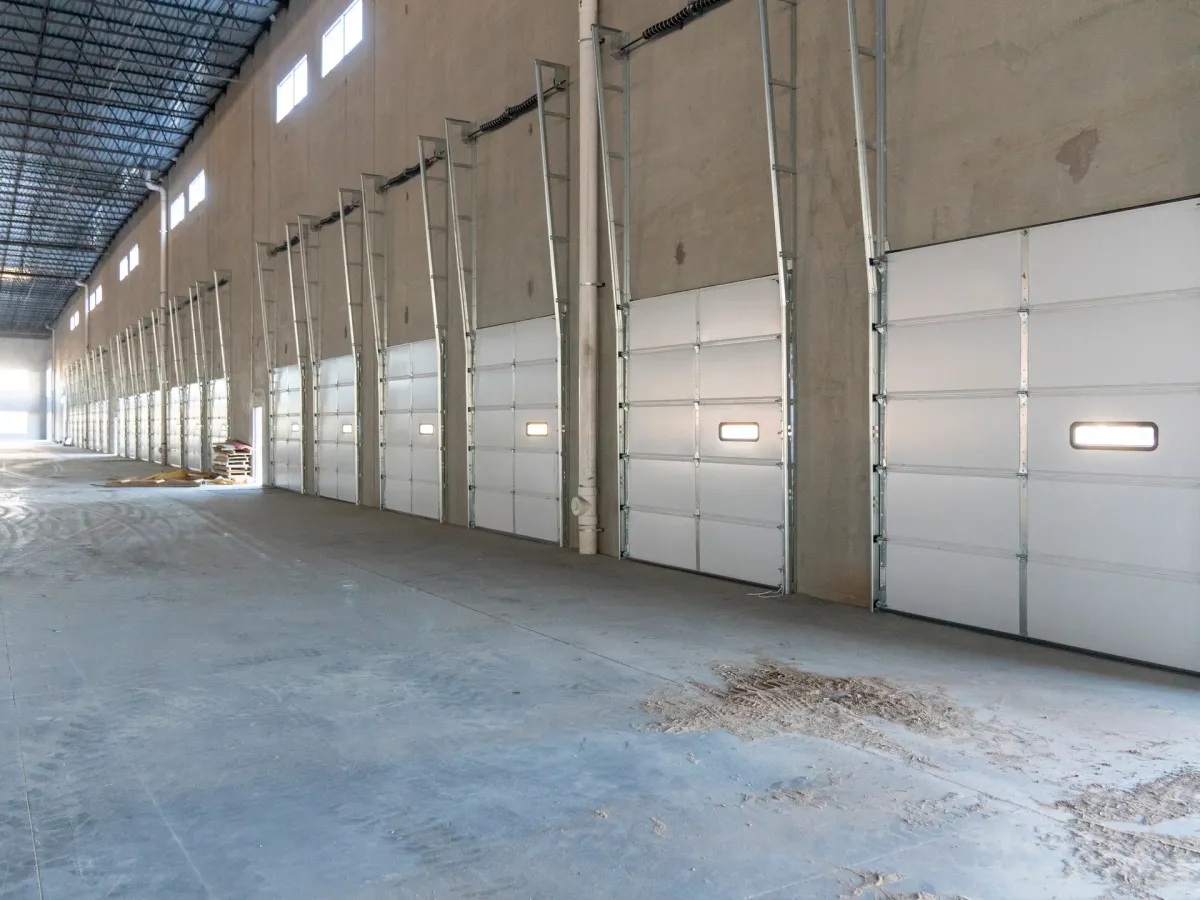
Our seal replacement process
- Inspect the door, jambs, and slab line for where air and water are entering.
- Measure the opening and select the correct seal profile and retainer style.
- Remove worn seals and clean surfaces so new material seats properly.
- Install, adjust contact points, and test the door for smooth operation.
If the door also needs alignment, roller service, or track tuning, we’ll flag it during the same visit. See Tune-Up & Maintenance for preventative options.
FAQs
Can you replace just the bottom seal?
Often, yes. If the retainer track and perimeter seals are in good shape, replacing the bottom seal may be all you need. We inspect the full opening first.
Do I need a new retainer track?
If the channel is bent, corroded, or the seal won’t stay seated, a retainer replacement may be the cleanest fix.
Will new seals make the door harder to close?
The door should still close smoothly. If it binds or reverses, the door may need adjustment. We check fit and operation after installation.
Related services
If you’re addressing drafts, noise, or door fit, these pages may help:
We serve Chattanooga, Cleveland, and nearby areas within about 30 miles or 1 hour of McDonald, TN.
Straightforward repairs and installs
We explain options, confirm pricing, and keep you updated on timing.