
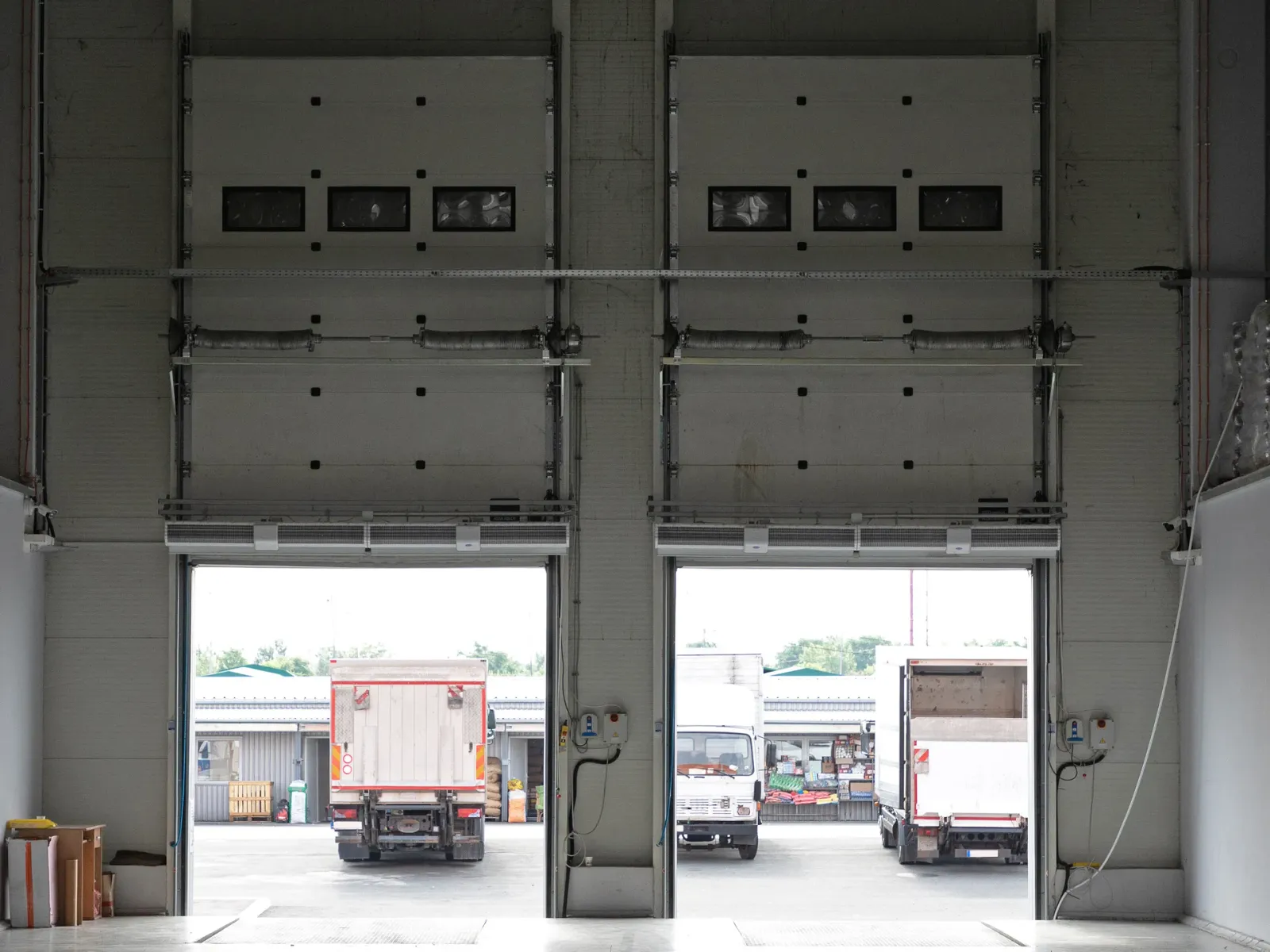
A quick garage door safety inspection can catch issues before they become a stuck door, a damaged opener, or a real safety hazard. You don’t need special tools for most of the checks—just a flashlight, a calm approach, and a willingness to stop if you see red flags.
If you want broader safety guidance beyond inspections, start here: Essential Garage Door Safety Tips for Homeowners.
Quick takeaways
- If you see frayed cables, an off-track door, or the door feels unusually heavy, stop and schedule service.
- Test auto-reverse and photo-eye sensors regularly—those protect kids, pets, and property.
- Many “opener problems” are actually door balance problems.

Step 1: Visual inspection (door closed)
Cables and bottom corners (look, don’t touch)
Look for:
- Fraying strands
- Rust or kinks
- Anything that looks “loose” or uneven
If you see cable damage, don’t operate the door—schedule repair:
Springs (look for obvious damage)
Springs are high-tension parts. If you see a visible gap in a torsion spring or anything that looks broken, stop and schedule service:
Track condition
Tracks should look straight and securely mounted. If you see major bends, gaps at brackets, or signs the door is rubbing, it’s a good time for an inspection:
Step 2: Sensor check (photo-eyes)
Photo-eye sensors are a common reason doors won’t close properly. Check:
- Lenses are clean (dust/cobwebs matter)
- Brackets are not bumped out of alignment
- Wiring isn’t pinched or damaged
Step 3: Auto-reverse test
Auto-reverse should trigger if the door contacts an object. This is one of the most important safety features on a modern door.
If the door doesn’t reverse reliably, stop using it until the opener is adjusted and tested correctly.
Step 4: Door balance test (the opener shouldn’t “lift the weight”)
This check helps identify spring/balance issues:
- Pull the emergency release cord to disconnect the opener.
- Lift the door manually and stop it partway.
You’re looking for smooth movement and predictable behavior—not a door that slams down or flies up.
If the door feels heavy or unstable, the system needs spring/balance service. Related: Garage Door Spring Replacement Guide
Step 5: Listen during operation
Run one full cycle and listen for:
- Grinding or scraping
- Loud popping
- New rattles or vibration
Noise is often a warning sign of wear or binding. Related: Noisy Garage Door Fixes
A simple monthly routine (5 minutes)
If you want a repeatable habit, do this once a month:
- Visual check for cable wear, obvious track damage, and loose hardware (look only).
- Clean photo-eyes and confirm alignment.
- Run one full open/close cycle and listen for new sounds.
- Test reversal behavior (photo-eyes and auto-reverse).
If anything feels “off,” don’t keep cycling the door—schedule service.
What not to touch during an inspection
Homeowners should avoid loosening or adjusting:
- Springs
- Cables
- Bottom brackets
- Any hardware that appears to be under tension
Those areas can be dangerous without training and the correct tools.
If you find an issue: what to send a technician
Photos can speed up diagnosis. If you’re scheduling service, capture:
- Inside view of the spring area above the door
- Close-up of any frayed cable or damaged roller area
- Full-width photo of the closed door (shows uneven gaps)
Start here: Request Service
When to call a pro (don’t wait)
Schedule service immediately if:
- The door is off-track or crooked
- Cables look frayed or damaged
- The door is unusually heavy or won’t stay put
- The opener strains, hums, or reverses unpredictably
Start here: Request Service
FAQs
How often should I do a safety inspection?
Most homeowners benefit from a quick monthly check plus professional service when something changes (new noises, reversing, heavy door) or if the system hasn’t been inspected in a long time.
My sensors look aligned, but the door still reverses—why?
Reversals can be caused by binding track/rollers, balance issues, or opener settings. If cleaning and alignment don’t solve it, get the door inspected rather than guessing on force settings.
Next step
If you want a professional inspection or your door is acting unsafe, NK Garage Doors can help you get it stable and safe again. Visit Services to find the right service category, or Request Service for availability.