Your garage door is one of the most used entry points to your home, opening and closing multiple times daily. Over time, wear and tear, weather exposure, and age can take their toll. Knowing when to replace your garage door can save you money on repairs and improve your home’s security, efficiency, and appearance.
Age Considerations
Most garage doors last 15-30 years with proper maintenance. If your door is approaching or exceeding this age range, replacement may be more cost-effective than continued repairs. Older doors also lack modern safety features and energy efficiency improvements available in newer models.
Frequent Repairs
If you find yourself calling for repairs multiple times per year, replacement may be the smarter financial decision. When repairs keep stacking up (or the door has multiple aging components at once), investing in a new door can provide better long-term reliability and a cleaner “reset” on wear items.
Visible Damage and Deterioration
Significant damage such as large dents, warped panels, rust, or structural issues may indicate replacement is necessary. While minor damage can often be repaired, extensive damage affecting multiple panels or the door’s structural integrity typically warrants replacement.
Safety Concerns
Older garage doors may lack modern safety features like photo-eye sensors, auto-reverse mechanisms, and proper balance. If your door doesn’t reverse when it contacts an object, lacks safety sensors, or operates erratically, replacement is essential for your family’s safety.
Energy Efficiency Issues
Uninsulated or poorly insulated garage doors can significantly impact your home’s energy costs, especially if your garage is attached to your home. If you notice temperature fluctuations in rooms adjacent to your garage or rising energy bills, an insulated replacement door can provide substantial savings.
Security Vulnerabilities
Older doors may have outdated locking mechanisms or be vulnerable to forced entry. Modern garage doors feature improved security systems, stronger materials, and better construction that protect your home and belongings more effectively.
Noise and Operation Problems
Excessive noise during operation, difficulty opening or closing, or doors that stick or bind indicate mechanical problems that may be more expensive to fix than replace. Modern doors operate more quietly and smoothly, improving your daily experience.
Aesthetic and Curb Appeal
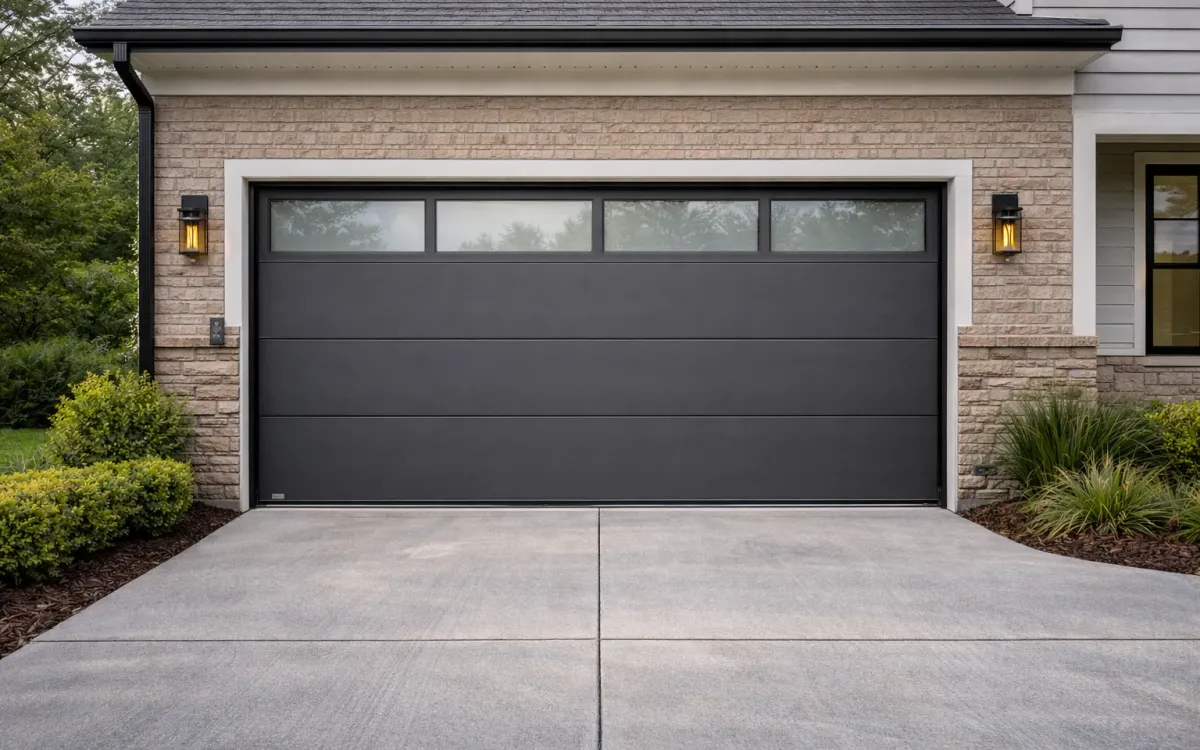
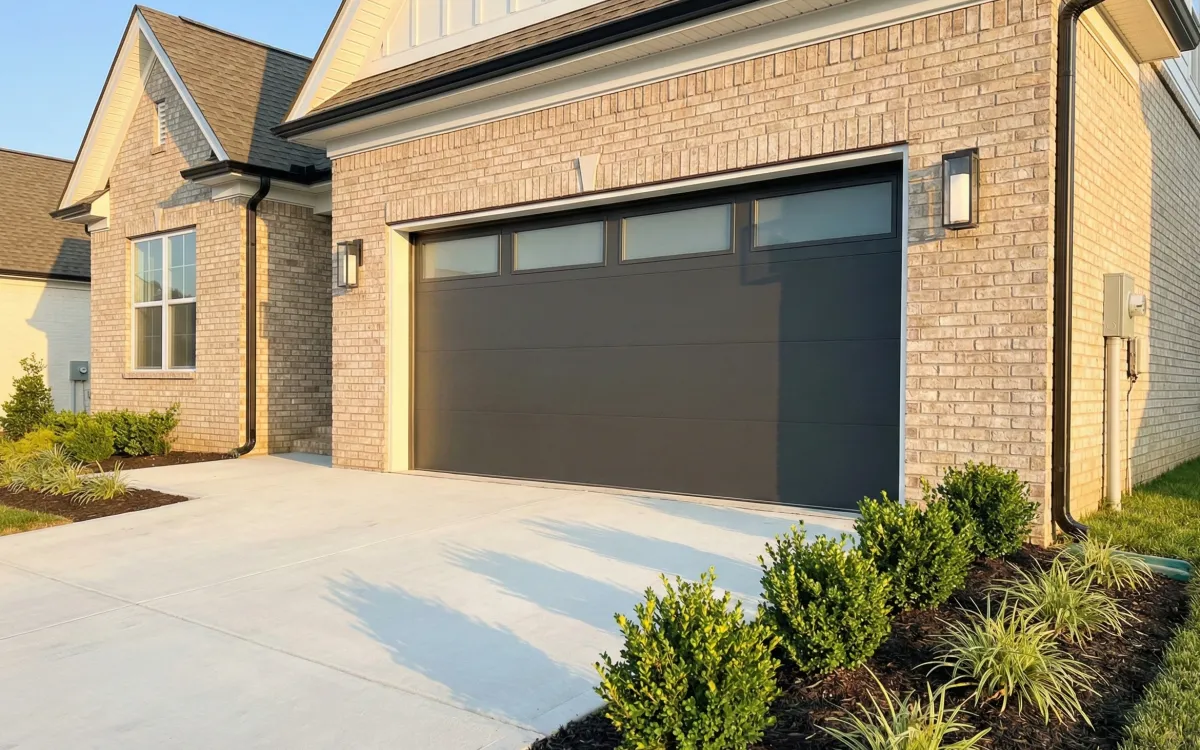
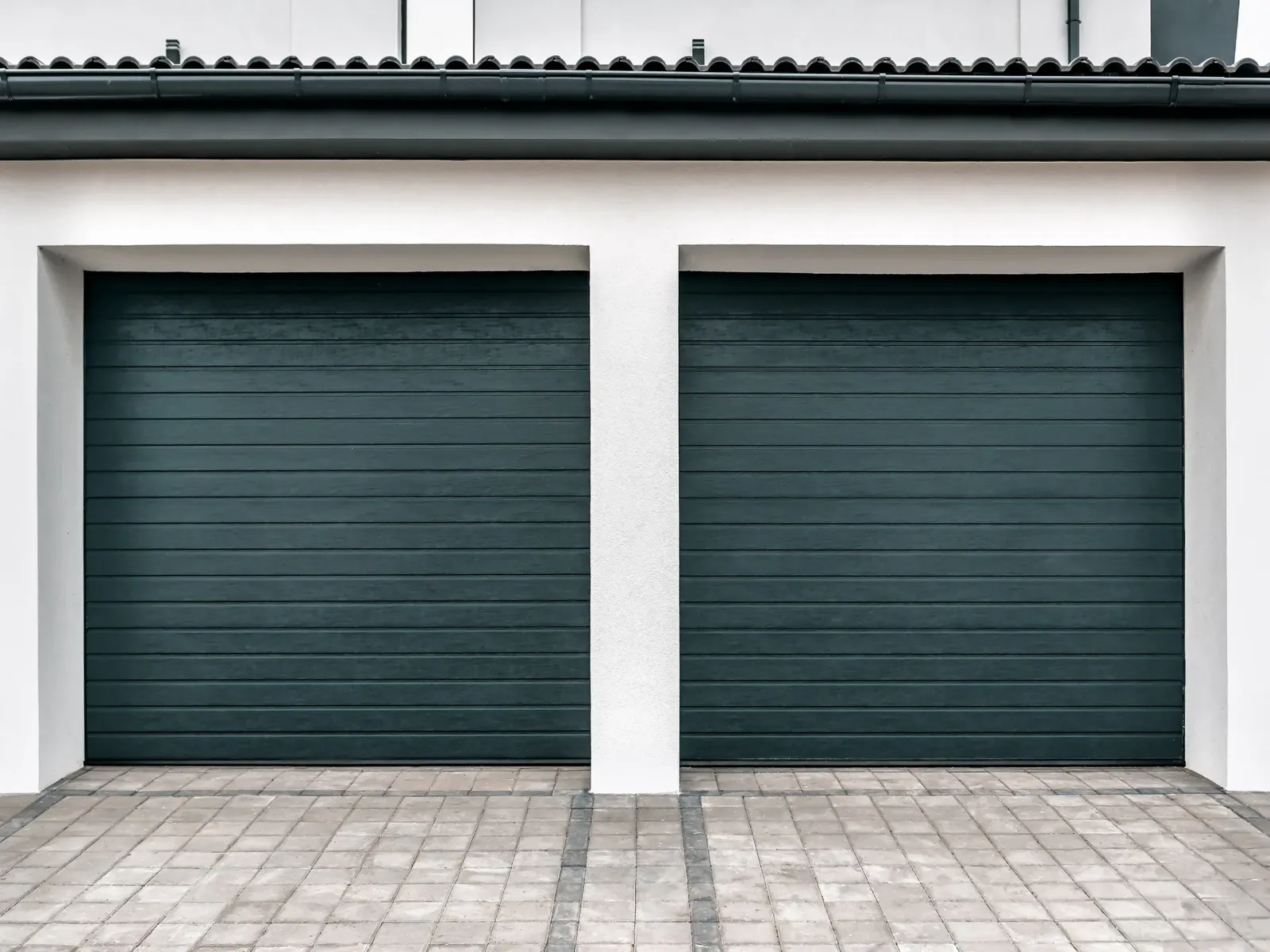
If your garage door looks outdated, doesn’t match your home’s style, or detracts from your property’s appearance, replacement can significantly enhance your home’s curb appeal and potentially increase its value.
Cost-Benefit Analysis
When deciding between repair and replacement, consider:
- Repair costs - Are you spending more on repairs than a new door would cost?
- Energy savings - Will an insulated door reduce your energy costs enough to justify replacement?
- Home value - Will a new door increase your property value?
- Peace of mind - Will replacement eliminate ongoing concerns about reliability and safety?
Choosing a Replacement
When replacing your garage door, consider:
- Material - Steel, aluminum, wood, or composite materials each have different benefits
- Insulation - Choose appropriate R-value for your climate and garage location
- Style - Select a design that complements your home’s architecture
- Features - Consider smart openers, windows, decorative hardware, and security options
- Professional installation - Proper installation ensures safety, performance, and warranty coverage
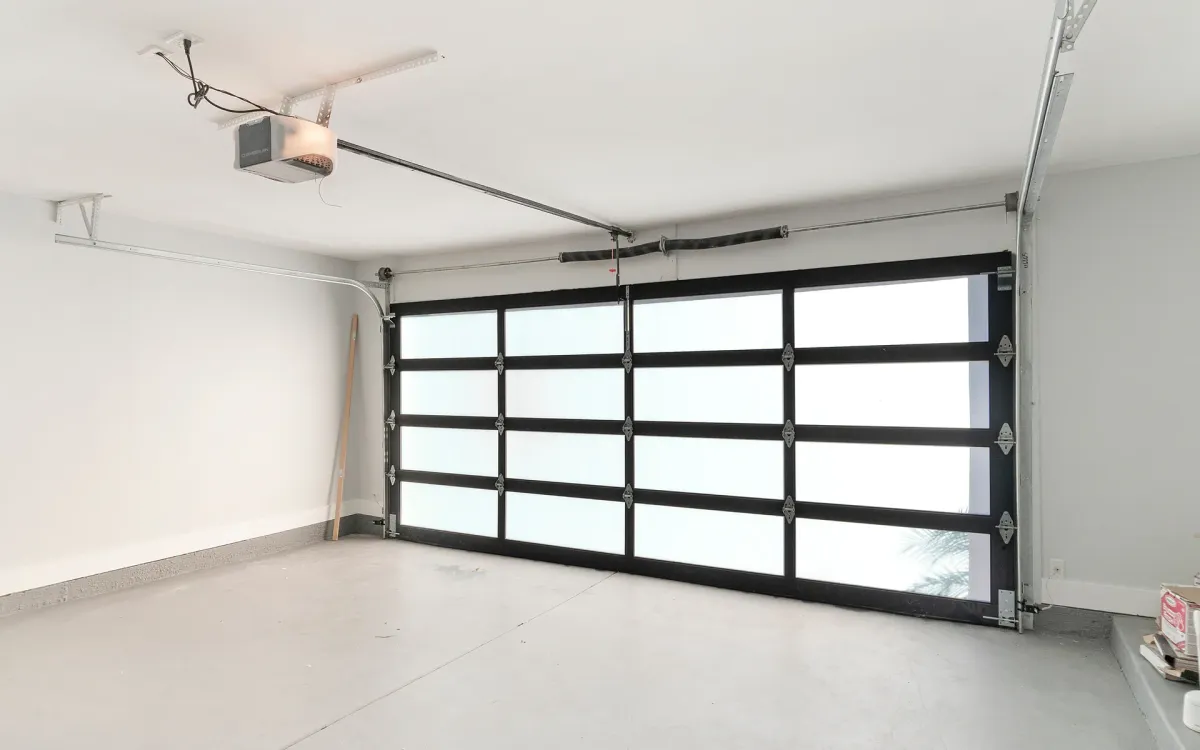
Before you request quotes, note your door size, track type, and opener model. A few clear photos of the door and opener label help confirm compatibility and speed up estimates.
Conclusion
Replacing your garage door is a significant investment, but it can provide substantial benefits in terms of safety, energy efficiency, security, and home value. If you’re experiencing multiple issues with your current door or it’s reaching the end of its expected lifespan, contact NK Garage Doors for a professional assessment and quote. We serve homeowners throughout Cleveland, Chattanooga, and surrounding towns.