NK Garage Doors Blog

Chain Drive vs. Belt Drive Garage Door Openers: Which Is Right for You?

Compare chain drive and belt drive garage door openers for noise, durability, cost, and maintenance. Find the best opener type for your Tennessee home.

Published May 27, 2025 8 min read Safety-first guides Local climate ready openersbuyingcomparison

Prefer a pro?

Send the article details and we will price it fast.

Attach photos, pick your city, and get a confirmed arrival window without waiting on hold.

Chain Drive vs. Belt Drive Garage Door Openers: Which Is Right for You?

When choosing a garage door opener, one of the most important decisions is selecting between a chain drive and a belt drive system. Both are reliable and widely used, but they have distinct differences in noise level, cost, durability, and maintenance. Here’s everything you need to know to make the right choice for your home.

How They Work

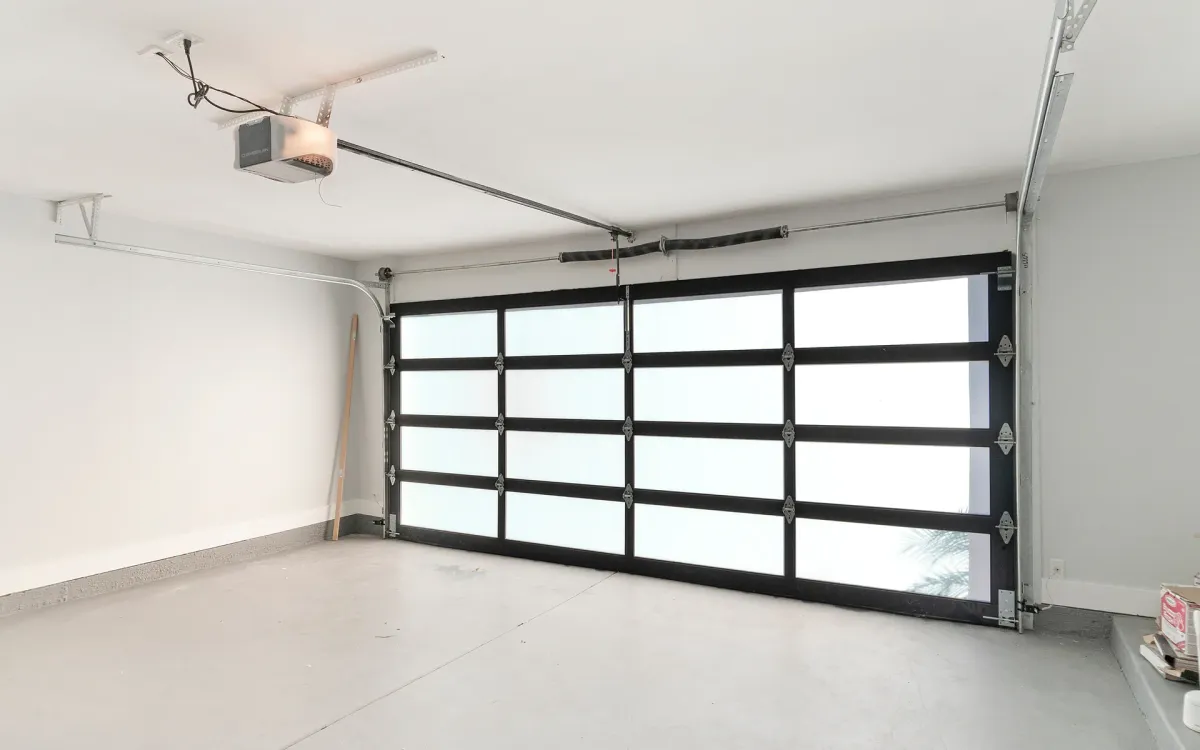
Both chain and belt drive openers use the same basic mechanism: a motor-powered trolley travels along a rail to pull the door open and lower it closed. The key difference is the drive mechanism connecting the motor to the trolley.

Chain Drive

A metal chain (similar to a bicycle chain) loops around a sprocket connected to the motor. As the motor turns, the chain moves the trolley along the rail.

Belt Drive

A reinforced rubber or polyurethane belt replaces the metal chain. The belt runs along the same type of rail and moves the trolley in the same manner, but without metal-on-metal contact.

Chain Drive Openers

Advantages

Durability

  • Metal chains are extremely durable and resistant to wear
  • Can handle heavy doors without stretching or slipping
  • Long lifespan with proper maintenance (15–20+ years)
  • Less susceptible to temperature extremes

Power

  • Better suited for heavy solid wood or oversized doors
  • Maintains consistent pulling force even with added weight
  • Works well in harsh climates where materials expand and contract

Lower Cost

  • Generally $50–$150 less expensive than equivalent belt drive models
  • Budget-friendly option without sacrificing reliability
  • Widely available with many brand options

Proven Reliability

  • Decades of proven performance
  • Simple mechanical design with fewer points of failure
  • Easier for technicians to diagnose and repair

Disadvantages

Noise

  • Metal chain creates vibration and operational noise
  • Sound transmits through the opener structure to the garage ceiling
  • Noticeable in attached garages, especially in homes with living space above or adjacent to the garage

Maintenance

  • Requires regular lubrication (every 6 months) to reduce noise and prevent wear
  • Chain can stretch over time, requiring occasional tension adjustment
  • More moving metal parts means more potential for rattling

Vibration

  • Vibration can be felt in adjacent rooms
  • May disturb sleeping areas above or next to the garage
  • Can loosen hardware over time if not regularly checked

Belt Drive Openers

Advantages

Quiet Operation

  • Significantly quieter than chain drives—often described as “whisper quiet”
  • Minimal vibration transmitted to the home’s structure
  • Ideal for attached garages and homes with living space above the garage
  • Can operate late at night or early morning without disturbing occupants

Smooth Performance

  • Rubber or polyurethane belts provide smooth, consistent operation
  • Less vibration means less wear on the door and hardware
  • Gentler start and stop motion

Low Maintenance

  • Belts don’t require lubrication
  • Less maintenance overall compared to chain drives
  • Cleaner operation (no lubricant drips)

Better for Frequent Use

  • Smooth operation ideal for multiple daily cycles
  • Reduced wear on door components due to lower vibration

Disadvantages

Higher Cost

  • Typically $50–$200 more than comparable chain drive models
  • Premium models with additional features can be significantly more expensive

Belt Wear

  • Belts can wear, crack, or stretch over time (though quality belts last 10–15+ years)
  • Extreme cold can make belts brittle in some climates
  • Heavy doors or frequent use accelerates wear
  • Belt replacement is more expensive than chain replacement

Temperature Sensitivity

  • Rubber belts can be affected by extreme temperature fluctuations
  • Very cold climates (prolonged below-zero temperatures) may reduce belt lifespan
  • Tennessee’s climate is generally fine for belts, but consideration for unheated garages

Availability

  • Fewer models available compared to chain drives
  • Replacement belts may need to be ordered vs. readily available chains

Noise Comparison

Chain Drive: 65–75 dB (comparable to a conversation or vacuum cleaner)
Belt Drive: 45–55 dB (comparable to a quiet library or refrigerator hum)

When noise matters:

  • Bedrooms above or adjacent to the garage
  • Home offices near the garage
  • Living spaces sharing walls with the garage
  • Late-night or early-morning use
  • Multifamily buildings (townhomes, condos)

When noise doesn’t matter:

  • Detached garages
  • Garage separated from living spaces
  • Single-level homes with garage on opposite end

Cost Comparison

Initial Purchase

Chain drive openers: $150–$400

  • Budget models: $150–$250
  • Mid-range with smart features: $250–$350
  • Premium with battery backup and Wi-Fi: $300–$400

Belt drive openers: $250–$600

  • Basic models: $250–$350
  • Mid-range with smart features: $350–$500
  • Premium with battery backup, Wi-Fi, and advanced features: $450–$600

Installation

Installation costs are similar for both types: $150–$300 depending on complexity and existing wiring.

Lifetime Cost

Chain drive: Lower initial cost, but factor in regular maintenance (lubrication, potential tension adjustments) and slightly higher energy use due to friction.

Belt drive: Higher initial cost, but lower maintenance needs and slightly better energy efficiency.

Long-term difference: Over 15 years, the cost difference is minimal when factoring in maintenance.

Durability and Lifespan

Chain drive: 15–20+ years with proper maintenance. Chains rarely fail outright; they stretch gradually and can be adjusted or replaced affordably.

Belt drive: 10–15+ years, depending on quality and use. High-quality belts from major brands (LiftMaster, Genie, Chamberlain) can last 15–20 years. Belt replacement is more expensive ($100–$200 including labor) vs. chain replacement ($50–$100).

Maintenance Requirements

Chain Drive

  • Lubricate every 6 months with garage door lubricant
  • Check and adjust chain tension annually
  • Inspect for rust or corrosion, especially in humid climates
  • Clean and lubricate the rail
  • Tighten mounting hardware

Belt Drive

  • No lubrication needed
  • Inspect belt for cracks or fraying annually
  • Check belt tension annually (though belts stretch less than chains)
  • Tighten mounting hardware
  • Clean the rail (but no lubrication)

Time commitment: Chain drives require ~30 minutes/year for maintenance; belt drives ~10 minutes/year.

Smart Features and Compatibility

Both chain and belt drive openers are available with modern smart features:

  • Wi-Fi connectivity and smartphone control (myQ, LiftMaster, Genie Aladdin Connect)
  • Battery backup for power outages
  • Built-in cameras and motion sensors
  • Voice control (Alexa, Google Assistant, Apple HomeKit)
  • Timer-to-close and vacation mode
  • Delivery and guest access codes

Note: Smart features are model-dependent, not drive-type-dependent. You can get quiet smart openers in both chain and belt configurations.

Which Should You Choose?

Choose Chain Drive If:

  • Your garage is detached or well-separated from living spaces
  • Noise is not a primary concern
  • You have a heavy or oversized door
  • You want the most affordable option
  • You’re comfortable with regular maintenance
  • Your garage experiences extreme temperature swings
  • Durability and simplicity are priorities

Choose Belt Drive If:

  • Your garage is attached with bedrooms above or adjacent
  • Quiet operation is important
  • You frequently use the garage late at night or early morning
  • You prefer lower maintenance
  • You’re willing to invest more upfront for long-term convenience
  • Your door is standard residential weight (under 400 lbs)
  • You value smooth, vibration-free operation

Hybrid Options: Screw Drive Openers

A third option worth mentioning is screw drive openers, which use a threaded steel rod. The trolley moves along the rod as it rotates.

Pros: Fewer moving parts; very reliable; moderate noise (quieter than chain, louder than belt); minimal maintenance.

Cons: Slower operation; not ideal for extreme temperatures (metal rod expands/contracts more than chain or belt); fewer models available.

Best for: Moderate climates, single-car doors, homeowners who want reliability with less maintenance.

Special Considerations for Tennessee

Tennessee’s climate (humid summers, occasional freezing winters, moderate temperature swings) works well for both drive types:

  • Belt drives perform excellently in Tennessee’s climate. Extreme cold that affects belt flexibility is rare.
  • Chain drives handle humidity well with proper lubrication to prevent rust.

Recommendation: In Tennessee, drive choice should be based primarily on noise preference and garage location relative to living spaces, not climate.

Installation and DIY

Both chain and belt drive openers can be installed by homeowners with mechanical aptitude and basic tools, though professional installation is recommended to ensure proper alignment, force adjustment, and safety feature calibration.

DIY difficulty: Similar for both types. Belt drives are slightly easier due to no lubrication during assembly.

Top Brands and Models

Chain Drive

  • LiftMaster 8500W: Wall-mount, space-saving design, Wi-Fi
  • Chamberlain B970: Battery backup, myQ smart control, strong motor
  • Genie ChainMax 1000: Budget-friendly, reliable, 1HP motor

Belt Drive

  • LiftMaster 8365W-267: Ultra-quiet, Wi-Fi, timer-to-close, battery backup
  • Chamberlain B4545T: Belt drive, battery backup, myQ smart app
  • Genie SilentMax 1200: Very quiet, strong motor, easy setup

Conclusion

For most homeowners with attached garages and living spaces near the garage, a belt drive opener is worth the additional cost for the significant noise reduction and smooth operation. If your garage is detached or separated from bedrooms, a chain drive offers excellent reliability at a lower price point.

Both types are durable, reliable, and compatible with modern smart features. Your decision should prioritize how noise and vibration will impact your household, your budget, and your maintenance preferences. For professional opener installation or to compare models, contact NK Garage Doors serving Knoxville, Cleveland, and surrounding Tennessee communities.
Local Presence, Real Accountability

We serve Knoxville, Cleveland, and nearby towns. Clear communication, clean work, and friendly techs-see our reviews.

Get a Free Estimate